
What to Pack for South Korea
Complete packing checklist tailored to South Korea's climate and culture
Climate Overview for South Korea
South Korea's temperate climate brings four distinct seasons, each demanding different packing strategies. Winters are cold and dry, with biting winds sweeping down from Siberia, while summers are hot and humid, often accompanied by a monsoon period of heavy rain. Spring and autumn are mild and pleasant but can shift quickly. This variation means layering is key. You will feel the crisp chill of a Seoul morning, see the lively cherry blossoms of spring, and taste the salty sea breeze along Busan's coast. Pack for sudden changes. Sunny afternoons turn cool fast. Always carry rain gear.
Clothing & Footwear
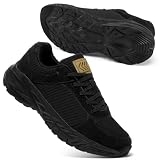
The streets of Seoul and the trails of Jeju are often paved with cobblestone or steep inclines. You will hear your feet echo in ancient palace courtyards and feel the hard surfaces of city sidewalks. A supportive shoe is essential for exploring South Korea. Choose wisely. Your feet will thank you.

South Korea's humid summer air clings to fabric, and laundry facilities in smaller hotels or guesthouses may be limited. Quick-dry material helps manage moisture and allows for easy washing in your sink. Pack smart. Wash and wear. Repeat as needed.
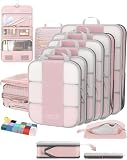
Accommodation in South Korea, from love motels to hanok stays, often has compact storage. These cubes maximize suitcase space and keep seasonal layers, like a heavy winter coat or a light rain jacket, organized and separate. Stay tidy. Find things fast.

Good for a day trip to the DMZ or shopping in Myeongdong, this pack carries a spare layer, a water bottle, and souvenirs like beauty products from Olive Young. You will feel its light weight as you navigate crowded subway stations. Keep hands free. Move through crowds easily.
Electronics & Gadgets

South Korea uses Type C and F outlets (220V/60Hz). This adapter is non-negotiable for charging your phone to use Naver Maps or KakaoTaxi. The specific model listed includes USB-C for fast charging, which is common for devices bought in South Korea. Don't get stranded. Charge everywhere.

Days are long, from dawn at Gyeongbokgung Palace to late nights in Hongdae. You will be using your phone constantly for translation apps, subway navigation, and capturing the neon-lit signs of Dongdaemun. A high-capacity bank ensures you never run out of power. Stay connected. Shoot more photos.

Cables get lost or broken. Having spares means you can charge in your hotel, at a cafe while you smell the roasted barley tea, and from a portable battery on a bus to Sokcho, without worry. Pack extras. Avoid the hunt.

Older hotels and guesthouses in South Korea often have only one or two accessible outlets. This strip lets you charge multiple devices simultaneously, which is important for cameras, phones, and earbuds after a full day of sightseeing. Plug everything in. Charge overnight.
Toiletries & Health

This clear bag streamlines airport security. Once in South Korea, it keeps your essentials contained in often compact bathroom spaces, in traditional hanok stays or budget accommodations. Save time. Keep toiletries visible.

While South Korea has excellent pharmacies, having basic plasters, antiseptic wipes, and blister care is immediate relief after a long day hiking on Seoraksan's rocky paths or walking Seoul's expansive streets. Treat small wounds fast. Keep walking.
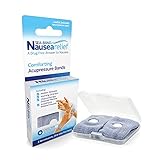

Saves space and avoids liquid spills in your bag. Useful for visits to jjimjilbangs (Korean bathhouses) where you might bring your own toiletries, or for eco-friendly travel across South Korea. Solid soap travels light. No leaks guaranteed.
Documents & Security
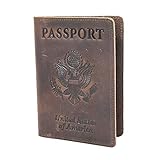
Keeps your passport, Korean Electronic Travel Authorization printout, and arrival card organized. The RFID protection adds security in crowded areas like Insadong markets or Seoul Station. Protect your documents. Move through crowds safely.

While South Korea is very safe, it's wise to separate cash and cards when in dense tourist spots. This belt is discreet under your clothing for peace of mind. Hide your valuables. Relax and explore.

Use these for your main suitcase and for lockers in hostels or jjimjilbangs. They provide basic security for your belongings when stored at accommodations. Lock it up. Walk away confident.
Comfort & Convenience
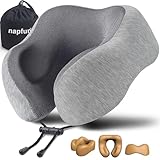
Essential for the long flight to South Korea and for sleeping on KTX high-speed trains or intercity buses while you watch the Korean countryside roll by. Block the noise. Arrive rested.

Seoul is a city that never sleeps, with bright signage visible from hotel windows. This mask ensures darkness in your accommodation, whether in a busy district like Myeongdong or a quieter area. Sleep anywhere. Block the glow.
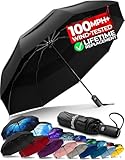
Sudden downpours are common, during the summer monsoon. A sturdy, compact umbrella shields you from rain while walking between subway stops and traditional markets in South Korea. Stay dry. Keep exploring.

South Korea has strict plastic bag regulations in stores. This tote is good for spontaneous purchases at a Seoul convenience store or for carrying snacks from a traditional market. Skip the plastic. Carry your own.
Outdoor & Hiking Gear

Hiking is a national pastime in South Korea. Trails on mountains like Bukhansan or Jirisan are often steep and rocky. Poles provide stability and reduce knee strain, letting you hear the forest sounds better as you climb. Save your knees. Hear the birds.
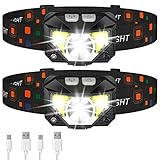
Useful for early morning starts to see the sunrise from a mountain peak like Seorak, or for navigating dimly lit paths in rural areas or coastal walks in Jeju after dusk. Light your way. Start before dawn.
Seasonal Packing Adjustments
What to add or skip depending on when you visit
Winter
December, January, February
Add: Heavy down coat, Thermal base layers, Fleece-lined hat, Insulated gloves, Waterproof winter boots
Shop Winter essentials →Skip: Lightweight linen clothing, Short sleeves
The cold in South Korea is dry and biting, with wind. Layering is critical. You will see your breath in the air and feel the chill even in well-heated museums. Pack heat packs for your pockets. Warm your hands. Stay outside longer.
Spring
March, April, May
Add: Light jacket or cardigan, Scarf, Allergy medication, Comfortable shoes for cherry blossom festivals
Shop Spring essentials →Skip: Heavy winter coat, Extreme cold weather gear
Weather shifts rapidly from cool to warm. You will smell the blooming flowers but also encounter intense yellow dust storms from China. A light jacket for evenings is necessary, and a mask can help with dust. Pack layers. Protect your lungs.
Summer
June, July, August
Add: Lightweight, breathable clothing, High-SPF sunscreen, Portable fan, Quick-dry towel, Deodorant
Shop Summer essentials →Skip: Any heavy fabrics, Jeans
Humidity is high and rain is frequent. You will feel the sticky air and hear the sizzle of street food in the heat. Focus on moisture-wicking fabrics. An umbrella is a daily carry during the monsoon. Embrace the sweat. Carry rain gear.
Autumn
September, October, November
Add: Light to medium layers, Versatile jacket, Hat for sun protection
Shop Autumn essentials →Skip: Summer-only clothing like tank tops, Monsoon-grade rain gear
This is the most stable and pleasant season. Days are crisp and clear, good for seeing the fiery red and gold foliage. Mornings and evenings are cool, so layers you can add or remove are perfect. Pack light jackets. Enjoy the colors.
Luggage Recommendation
Opt for a medium-sized suitcase or a travel backpack. Smaller hotels and traditional accommodations in South Korea often have tight spaces and staircases. A carry-on sized spinner suitcase is good for navigating crowded subway systems and narrow alleles. Ensure it has smooth wheels for the ubiquitous paved streets. Pack a luggage scale. Avoid overweight fees on the return trip, if you plan to shop.
Shop Carry-On Luggage on AmazonPro Packing Tips
Practical advice from experienced travelers
Don't Pack
- Full-sized shampoo and conditioner bottles. You can buy excellent Korean beauty and hair products at Olive Young stores, which are everywhere and often cheaper. Leave them home. Shop local instead.
- A bulky hairdryer. Most accommodations in South Korea provide one, and they are powerful. Save the space. Use theirs.
- Large packs of everyday over-the-counter medicine. Skip these. Korean pharmacies are convenient and well-stocked with local equivalents for common ailments.
- Too many formal clothes. The dress code is generally casual. Leave room for a hanbok rental experience in Seoul.
- Heavy guidebooks. Use your phone instead. Apps like Naver Maps and KakaoMetro deliver real-time information without the weight.
- A huge water bottle. Buy bottled water easily. Many public places have water fountains. Pack light.
Buy Locally
- A local SIM card or eSIM. Purchase at the airport upon arrival (KT, SKT, or LG U+ counters) or rent a portable Wi-Fi egg for superior network coverage.
- T-money card. Buy this rechargeable transit card at any subway station convenience store. It works on buses, subways, and taxis across South Korea.
- Quality, affordable umbrellas. If yours breaks, buy a sturdy one cheaply at any Daiso or convenience store. Replace, don't repair.
- Seasonal clothing. Caught unprepared by weather? Uniqlo stores in major cities offer affordable and appropriate basics. Problem solved.
- Specialized hiking gear. For serious mountain hiking, brands like Kolon Sport or Black Yak have stores in Seoul with high-quality gear suited to local trails.
Packing Hacks
- Roll clothes instead of folding to save space
- Pack shoes in shower caps to protect clothes
- Use packing cubes to stay organized
- Keep essentials in your carry-on
Continue Planning Your Trip
More guides to help you prepare
Ready to plan your trip to South Korea?
Now that you've got the research covered, here's where to go next.