
Things to Do in South Korea in February
February weather, activities, events & insider tips
Low Season · Budget Friendly
February Weather in South Korea
Temperature, rainfall and humidity at a glance
41°F (5°C)
High Temp
26°F (-3°C)
Low Temp
1.1 inches (28 mm)
Rainfall
70%
Humidity
⚠ Yellow dust storms from China can last 3-5 days, reducing visibility to 2 km (1.2 miles) and making outdoor exercise dangerous
Is February Right for You?
Weigh the advantages and considerations before booking
Advantages
- + February delivers Korea's most dramatic winter scenes. Snow caps the hanok roofs of Bukchok Hanok Village. Bukhansan's granite peaks rise behind like a Joseon painting. Worth it.
- + Hotel rates fall 30-40% from peak season. Premium Myeongdong properties drop to mid-range prices. Temples and palaces stay almost empty. Book now.
- + Dry mountain air gives crystal-clear visibility. Hike and you can see 50 km (31 miles) from Seoul's Namsan Tower. Summer humidity never allows this. Clear win.
- + Traditional markets like Gwangjang glow in winter. Steaming seolleongtang (ox bone soup) and hotteok (brown sugar-filled pancakes) taste best when air hits -5°C (23°F). Eat hot.
Considerations
- − Air quality can turn brutal. Yellow dust from China's Gobi Desert mixes with winter particulates. AQI often tops 150 for days. Outdoor plans suffer.
- − Days are shockingly short. Sunrise is around 7:30 AM, sunset by 5:30 PM. You get barely 10 hours of daylight. Golden hour ends before breakfast.
- − Many outdoor attractions close or cut hours. Seoul's palace night illuminations end in January. Ferry services to Nami Island run skeletal winter schedules. Check ahead.
Best Activities in February
Top things to do during your visit
February in South Korea is cold. You will feel a crisp, dry chill, after sunset when temperatures often fall well below freezing. This month is for steaming bowls of soup and for walking across frosty palace grounds. Festive lights still glow against the long winter nights. Locals wear long padded coats, seeking heated floors and the shared heat of group meals. Travel here turns inward. The famous beaches of Busan and Jeju are quiet. Historic sites and city neighborhoods offer a clarity you will not find in busier seasons. This period between the Lunar New Year and spring is a pragmatic window. It is for uncrowded sightseeing focused on culture and good food, not outdoor spectacle. It rewards deep, focused exploration. One event defines Seoul's early February atmosphere. The main festivities end in January. But the elaborate lantern installations along the Cheonggyecheon stream stay lit through mid-February. LED sculptures of dragons and mythical figures cast colorful reflections on the water. This transforms an evening stroll into a walk through a silent, glowing dreamscape. That persistent glow is a gift. It is a specific reason to bundle up and go out after an early dinner.
Top Attractions Authentic One-Day Guided Tour
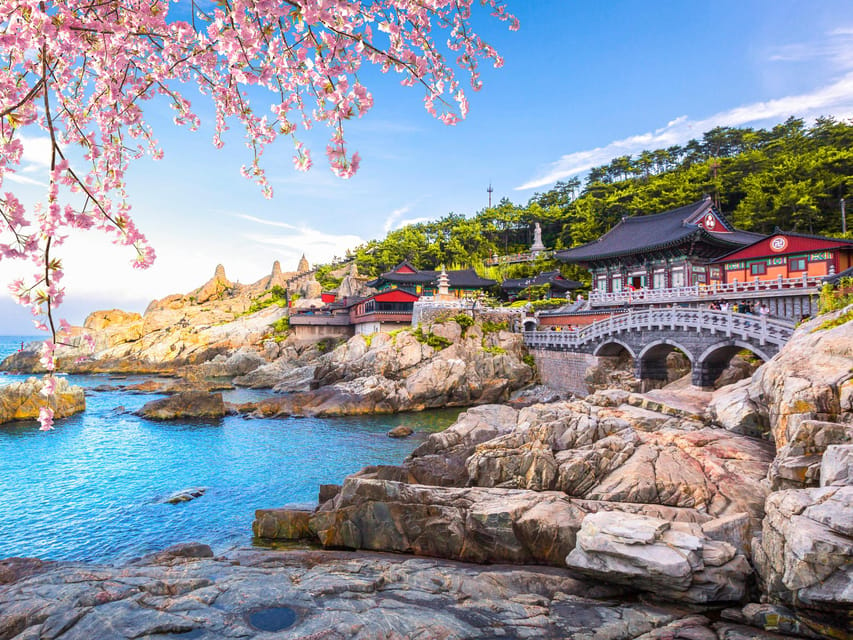
guided_experienceCondenses Seoul into one expertly paced day. You will hear the clap of a guard's boot at Gyeongbokgung Palace and see the intricate dancheong paintwork on its eaves. Your guide narrates the dynastic history that shaped the city. The tour moves from regal history through the artsy alleyways of Bukchon Hanok Village. It finishes in the modern consumer symphony of Myeongdong.
It is the most efficient way to grasp the scale of Seoul's past and its pulsing present, all with curated insight.
Insider tip: Wear thermal layers. You will stand outdoors for extended periods at the palace.
![[Hotel Pick-up] Gyeongju UNESCO Private Tour with Local Guide](https://media-cdn.tripadvisor.com/media/attractions-splice-spp-400x400/0b/f4/0b/8d.jpg)
[Hotel Pick-up] Gyeongju UNESCO Private Tour with Local Guide
culturalA profound journey into the Silla kingdom. Ancient tumuli mounds rise like gentle, frost-dusted hills. You will feel the cool surface of the celestial globe at Cheomseongdae observatory. You will see the weathered faces of the Buddha statues in the grotto of Seokguram, a sanctuary often wrapped in a misty haze in February. This tour provides intimate access to a city that is an open-air museum. A guide brings its thousand-year-old stone narratives to life.
Provides intimate access to a city that is an open-air museum. A guide brings its thousand-year-old stone narratives to life.
Insider tip: Request a stop for hot, sweet Gyeongju ppang, a red bean pastry. It is a perfect hand-warming treat.
This month: Seokguram grotto often wrapped in a misty haze in February.

Korean Drinking Games Night (non-drinkers are also welcome)
otherAn immersion into the country's social fabric. It is held in a warm, neon-lit room filled with laughter and the clinking of soju glasses. You will taste the clean burn of soju or the sweet fizz of makgeolli rice wine. You learn rhythmic hand games like '369'. The quickening pace and friendly competition bind your group together.
This is a direct portal into the rules of Korean social bonding. Play is just as important as the pour.
Insider tip: Eat a substantial dinner first. The games proceed quickly. Drinks are a central focus, though non-drinkers have soft drink options.

Korean Cooking Class with Grocery Shopping at Seoul Local Market
foodStarts in the cacophonous aisles of a traditional market. You will smell the fermented tang of kimchi barrels and see glistening arrays of fresh seafood and vegetables. Later, you will feel the sizzle of meat on a hot bulgogi pan. You will taste the complex result of your own hand-crafted sauce. This experience moves you from passive consumer to active creator. It grounds the famed flavors in the tactile processes of selection and preparation.
It grounds the famed flavors in the tactile processes of selection and preparation.
Insider tip: The market visit is the best part. Ask your instructor to identify seasonal winter vegetables like deodeok or doraji root that might appear in February.
This month: Seasonal winter vegetables like deodeok or doraji root might appear in February.

Gyeongju UNESCO World Heritage Sites and History Full-Day Tour with Lunch
day_tripA complete exploration. You can walk among the silent stone pagodas of Bulguksa Temple, their surfaces cool to the touch. Later, you savor a warm, multi-course temple-style meal. It highlights the clean flavors of mountain roots and braised vegetables. This tour weaves together the architectural grandeur of Gyeongju's most significant sites with the refined culinary tradition that developed alongside them.
This tour weaves together the architectural grandeur of Gyeongju's most significant sites with the refined culinary tradition that developed alongside them.
Insider tip: The included lunch is often at a restaurant specializing in traditional Gyeongju cuisine. Come hungry. Be open to tasting dishes like hwangnam-ppang, a local delicacy.

Tailored Private Tour from Seoul
private_tourThe ultimate flexible itinerary. You design the day. It could mean hearing solemn chants at a mountain temple in the morning and feeling the pulse of Hongdae's indie music scene by night. Your vehicle becomes a warm, private capsule. From it, you experience the vast sensory contrasts of the country. You move from the quiet, pine-scented air of a national park to the sizzle of street food stalls in a packed alleyway.
It offers complete personalization. You match the day's rhythm to your interests, whether deep history, contemporary art, or culinary deep-dives.
Insider tip: Be specific with your guide about your walking tolerance and desire for indoor time. February weather can be biting. They can tailor the route well.
This month: February weather can be biting.
Where to Stay in South Korea in February
Hand-picked hotels across price tiers for February travellers.
★★★★
Mid-Range
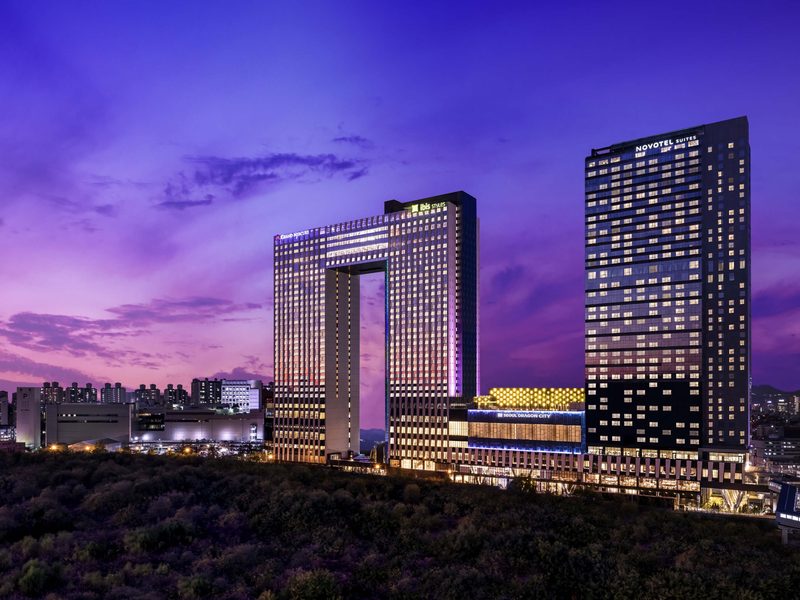
Ibis Styles Ambassador Seoul Yongsan - Seoul Dragon City
From $163 / night
Check Prices on Trip.com →
February Events & Festivals
What's happening during your visit
Early February
Seoul Lantern Festival
The main festival ends in January, yet Cheonggyecheon's lanterns stay through mid-February. LED dragons, tigers, and kings shimmer on the stream. Winter darkness doubles the glow. Walk after dinner.
Packing Checklist
Bookmark this page — your progress is saved between visits
Need the full list with shopping links?
Climate-specific gear, brand recommendations, and what to leave at home.
View South Korea Packing List →Essential Tips
Insider knowledge and common pitfalls to avoid
Insider Knowledge
Koreans drink hot barley tea in winter. Ask for boricha, not water, at restaurants. It's free. Locals say it warms you from the core.
Download Papago translation app before landing. February vocabulary about heating, ice, and pollution stumps Google Translate. Papago copes better.
Convenience stores become warming stations - CU and GS25 locations have heated seating areas where locals eat 2,000-won ramen and escape the cold
The best winter street food appears after 8 PM - that's when vendors roll out hotteok carts and odeng (fish cake) soup stalls to serve commuters
Subway cars have heated seats - the red seats in Line 2 trains are winter favorites. Locals will give you knowing nods if you choose them
Avoid These Mistakes
Assuming February means snow everywhere - Seoul gets only 5-7 snowy days annually, and most precipitation falls as cold rain that creates dangerous ice sheets
Booking outdoor activities without weather backup plans - February's pollution days can make hiking unhealthy, requiring indoor alternatives
Wearing ski gear around the city - you'll overheat in restaurants and look like a tourist. Locals wear thin layers they can adjust throughout the day
Expecting tropical island destinations like Jeju to be warm - Jeju's February averages 3°C (37°F) with harsh ocean winds that feel colder than Seoul
Explore More Activities in South Korea
Didn't see anything interesting yet?
Browse Viator's full catalog of tours, day trips, food experiences, and private guides in South Korea.
See All South Korea Tours on Viator