
South Korea with Kids
Family travel guide for parents planning with children
Top Family Activities
The best things to do with kids in South Korea.
Gyeongbokgung Palace and Hanbok Rental
Free entry for anyone in hanbok, Seoul's grandest Joseon-era palace suddenly becomes a playground. Rent the traditional Korean dress from the cluster of shops by the north gate and watch the kids forget their phones. The costume does what no guidebook can: history clicks, the courtyards feel alive, and you'll all leave with a memory that sticks.
Lotte World (Seoul)
Rain doesn't matter here. One of the world's largest indoor theme parks stays open, useful when summer monsoon downpours hammer the country. Rides stretch from gentle carousels for toddlers to proper roller coasters for older kids and teens, all tucked under one enormous roof with a connected outdoor section.
Jeju Island Beach and Nature Days
Jeju doesn't feel like Korea at all, black rock beaches, lava tube caves, subtropical air thick with salt. Hyeopjae Beach delivers. Clear, shallow water. Toddlers splash safely while parents sprawl on white sand. Ten minutes inland, Manjanggul lava tube cave drops you into darkness. One kilometer of easy walking. Kids stare up at 7.6-meter lava columns, mouths open. Spectacular.
Korean Folk Village (Yongin)
Korean Folk Village sits 40 minutes from Seoul, an open-air museum that rebuilds traditional Korean village life. Sounds dry. It isn't. Folk performers juggle torches, kids haul wooden yokes in traditional games, and wide dirt lanes give everyone room to sprint after days of city walking. The tightrope walker wobbles six feet above ground, crowd gasps every time, while the mask dance spins color and drumbeats across the main square. Both are crowd-pleasers, every time.
DMZ Tour
Take your teens here. The Demilitarized Zone between North and South Korea delivers a gut-punch no theme park can match, history so raw even Snapchat addicts fall silent. Older kids feel the weight. You'll descend into the Third Infiltration Tunnel, claustrophobic, cold, memorable, then climb to Dora Observatory for a rare glimpse across the world's most fortified border. Most tours cover both.
Gwangjang Market, Seoul
Seoul's oldest covered market and one of the great street food experiences anywhere in Asia. Bindaetteok (mung bean pancakes), tteokbokki (spicy rice cakes), and kimbap stalls line the central aisles. The atmosphere is boisterous in the best way. Even picky eaters often find something here. The food is extraordinarily cheap.
Bukhansan National Park Hiking
You'll hit a real mountain trail 45 minutes after leaving central Seoul, because Bukhansan National Park sits inside the city limits. Hike the Bukhansanseong fortress walls with older kids. The ridge views flip the whole skyline upside-down. Toddlers? Stick to the Ui-dong valley paths near the gate, flat, shaded, no complaints.
K-pop Experience (SMTOWN COEX, Seoul)
Holograms, dance booths, and merch walls: the SMTOWN museum and store inside COEX mall is K-pop Disneyland. Teens raised on BTS or BLACKPINK won't blink at the scale, they'll drag you back twice.
Busan's Haeundae Beach and Aquarium
Busan's coastal energy is lovely, more relaxed than Seoul. Haeundae Beach remains the country's most famous, and while summer crowds are inevitable, the promenade plus shallow water make it good for families. When rain hits, duck into SEA LIFE Busan Aquarium beneath the beach. The shark tank alone justifies the trip.
Best Areas for Families
Where to base yourselves for the smoothest family trip.
Seoul's historical heart packs Gyeongbokgung Palace, Bukchon Hanok Village, and Insadong's pedestrian lanes into one walkable triangle. Touristy? Absolutely, but they've earned the crowds. No other square kilometer crams this much payoff for families who'd rather explore than ride the metro.
Highlights: Skip the tour buses. Gyeongbokgung and Changdeokgung palaces reward early risers with empty courtyards and sharp morning light. Rent a hanbok, everyone does it, and guards wave you through the gate like royalty. Insadong craft market spills across narrow lanes. Calligraphy brushes, celadon cups, old men hawking ginseng candy. Total chaos. Worth it. Cheonggyecheon stream cuts ten kilometers through downtown. Walk the whole thing. Concrete gives way to reeds, office towers reflect in slow water. You'll need a break, multiple family restaurants line the path above. Duck soup, kimchi pancakes, cold beer.
Weird and wonderful things happen here. The university neighborhood pulses with younger, more creative energy than other parts of Seoul, street performers juggling fire, toy shops stuffed with plastic robots, indie cafes where baristas wear cat-ear headphones. Families with older kids and teens find it far more engaging than the palace district. Accommodation runs slightly cheaper.
Highlights: Weekends in Hongdae Free Market deliver controlled chaos, artists haggle, students crowd, and you'll find vintage cameras beside hand-stitched wallets. Many arcade and board game cafes line the same blocks. Duck into one, grab a controller, and you won't leave for three hours. Street performance culture dominates the main plaza, fire jugglers, indie bands, break-dancers, each act louder than the last. Subway access is easy: Line 2, Line 6, and the Airport Railroad all converge here, so you can reach everywhere else in Seoul within 30 minutes.
Jeju City runs on island time, slower, warmer, and worth two full days before you pick up wheels and chase the ring road. Hyeopjae and Hamdeok on the west side deliver flat water and gentle slopes. The southern beaches can't match them if you're hauling toddlers.
Highlights: Hyeopjae Beach, clear shallow water that barely covers your ankles, delivers instant calm. Manjanggul lava tube cave runs deep, dark, and cool; bring a jacket. Hallim Park keeps younger children busy for hours with gardens, caves, and a small zoo. Multiple family resorts line the west coast, book early, they fill fast.
Haeundae is Korea's most famous beach neighborhood, built for pure leisure. The promenade stretches forever. Family restaurants line the boardwalk. The whole place feels like a beach resort, nothing like Seoul's intensity. The aquarium sits directly under the sand. You'll spot several decent children's play facilities scattered along the shore. Everything moves slower here. The vibe is noticeably less intense than the capital, for now.
Highlights: Haeundae and Gwangalli beaches deliver. The sand is wide, the water clean, the crowds manageable, until sunset. SEA LIFE Aquarium sits between them, an easy 10-minute walk from either shore. Kids press noses to glass while parents check phones. Nobody minds. Gamcheon Culture Village climbs the hill behind. You can bus or taxi in 20 minutes flat. Narrow lanes, painted houses, selfie chaos. Go early or you'll queue for every corner. Night market scene fires up after 8. Food stalls line the waterfront. Families stroll. Toddlers chase bubbles. You'll smell grilled squid, hear sizzling pans, feel the sea breeze. Total sensory overload, and worth every minute.
Gyeongju doesn't just look old, it feels it. The ancient capital of the Silla Kingdom earns Korea's open-air museum title every single day. Burial mounds rise like green hills, the UNESCO-listed astronomical observatory still points skyward, and a lakeside park floods with lanterns after dark. Nothing in Seoul matches this. The pace drops. Space opens. Big-city intensity fades into something slower, more spacious, and, honestly, a relief.
Highlights: Tumuli Park burial mounds, yes, kids can crawl inside some, Cheomseongdae observatory, Anapji Pond, Bulguksa Temple and Seokguram Grotto, plus cycling routes that thread straight through the historic district.
Family Dining
Where and how to eat with children.
Korea feeds families better than you'd expect. The dining culture is communal, most meals arrive with multiple shared dishes (banchan) alongside the main course, so children can pick and try without ordering a whole separate meal. Restaurants expect kids. High chairs appear in family-oriented places. The sheer variety of Korean food means even picky eaters usually find something. The main challenge? Heat. Korean food uses plenty of gochujang (red chili paste) and kimchi. Many dishes that look mild are not. Ask staff 'is this spicy?', worth doing, though the answer isn't always calibrated to international child standards. Japchae (glass noodles), bibimbap (rice bowl with vegetables and egg), tteok (rice cakes), and kimbap (rice rolls) tend to work well with children who need milder options.
Dining Tips for Families
- CU, GS25, 7-Eleven. Everywhere. Triangle kimbap, steamed buns, instant noodles, hot water stations ready. When kids melt down, this is your lifeline.
- Plastic food sits in every Korean restaurant window. Point and eat, language barrier solved. Tourist-area staff speak basic English. You won't starve.
- Kimchi lands on every table, ignore it. Slide the bowl aside. Staff won't blink if kids won't touch it.
- Korean restaurants' lunch sets (점심 특선) mirror dinner menus at 30, 40% off, shift your main meal to noon and pocket the difference.
- Skip the café queue. E-Mart and Homeplus stock baguettes, baked beans, and kimchi under one roof, large, cheap, and open early. You'll bag international brands plus Korean staples before your first sip of coffee. Easier than decoding a restaurant menu while half-asleep.
- Jjajangmyeon, black bean noodles, wins over kids every time. Mild. Filling. Cheap at $5, 7 per bowl.
Six and up. That's the cutoff for letting kids near the flames at a table grill, though adults still do the actual cooking. The setup is pure theater: raw meat sizzles, smoke curls, and even the most restless child stays locked in. Portions flex to appetite. Banchan arrives in small bowls, each a new dare. Tiny bites, big flavors. One meal, zero boredom.
The Korean equivalent of a casual café, serving kimbap, tteokbokki, ramen, and fried snacks. Cheap, quick, and reliably popular with children for the rice rolls and fried options. These small neighborhood spots are everywhere. You'll find them on every block. Rarely intimidating to walk into.
Stone-pot bibimbap lands hissing, kids love that crackle. The base stays simple: rice, vegetables, egg, mild sauce. You can slide the spicy gochujang to the rim so cautious eaters still taste Korea without the burn.
Korean cities hide a secret weapon, Japanese-influenced comfort food on every corner. Tonkatsu, breaded pork cutlet, arrives crisp and golden. Udon noodle soups steam in deep bowls. Karaage chicken pops with familiar flavor. Reliably mild. Recognizable to children. Excellent quality. When Korean spice levels start defeating the family, these dishes become your lifeline.
Tips by Age Group
Tailored advice for every stage of childhood.
Koreans will melt your toddler in public, no apology required. Strangers on the Seoul subway will pull monkey faces at your kid while you're still hunting for a seat. That's the first surprise. The second is how easy the gear hunt becomes. Formula, diapers, wipes, every GS25 and CU stocks them, 24/7. Need to nurse? Head for the 수유실 signs in COEX, Lotte World Mall, or any major station; they're clean, private, and usually empty. Elevators? They're in the newer subway lines, look for the wheelchair symbol, push the button, roll straight in. The catch is mileage. South Korea's cities sprawl. Even a "compact" palace-temple-market loop can clock 12,000 steps before lunch. Toddlers don't do 12,000 steps. Bring a carrier, budget for taxi hops, and plan collapse time in the hotel pool.
Challenges: July, August heat will melt toddlers. Hit the streets at 7am sharp, collapse indoors by 1pm, keep air-con escapes on speed dial. Bukchon Hanok Village's steep lanes chew up strollers, so do certain palace corners. Dinner rush? Loud chaos. Slide into restaurants at 5:30, 6pm and you'll beat the crush.
- Pack a carrier plus a stroller, many palace and temple approaches chew wheels to shreds.
- Your lifeline? Convenience stores. Heated formula, microwaveable baby food, and snacks, available 24/7.
- Lotte and Shinsegae both hide a secret weapon: dedicated nursing rooms with changing tables. Treat them as your rest base during long city days.
- Skip Google. Papago, built by Naver, the Korean-language specialist, translates Korean text better.
Ages 5, 12 hit Korea's sweet spot. These kids walk without whining. They'll chase history through palace visits and folk villages, chew unfamiliar food without tears, and stare wide-eyed at a culture nothing like home. The payoff? Interactive gold, slipping into hanbok, timing the guard ceremony, searing your own BBQ. These concrete, participatory moments stick long after generic sightseeing fades.
Learning: South Korea's 5,000 years of documented history slams into its recent transformation, from post-war poverty to high-tech powerhouse, in ways that'll stop you cold. The contrast between ancient Joseon Dynasty palaces and Gangnam's gleaming towers, visible from almost anywhere in Seoul, sparks a conversation about history and development without any prompting. The DMZ is perhaps the most powerful single educational experience in East Asia for this age group. Kids interested in science and technology? The National Museum of Science and Technology (Daejeon) and the Samsung Innovation Museum (Suwon) are both excellent.
- Free, vast, and loaded with hands-on kid exhibits, the National Museum of Korea in Yongsan turns a rainy day into a win.
- Grab gim at the first 7-Eleven you pass, those paper-thin sheets of roasted seaweed cost under 2,000 won, pack iron kids need, and vanish faster than chips.
- A few thousand won at a coin-pusher or claw machine in Korea buys serious goodwill for the next museum, arcade culture runs deeper here than almost anywhere outside Japan.
Seoul hits different at 2 a.m., fried chicken, neon arcades, K-pop blasting from every storefront, and your teenager suddenly realizes Asia can feel like it was built for them. South Korea might be the single best destination in Asia for teenagers. The K-pop culture, the food, the technology, the street fashion, the PC bang (internet café) culture, the street food markets at midnight, it all maps very directly onto what teenagers find interesting. Seoul in particular has an energy that tends to resonate with older teenagers in a way that, say, temple circuits in Cambodia often don't. The main challenge, as with all teen travel, is managing the tension between their desire for independence and the reality of navigating a foreign city.
Independence: Seoul ranks among Asia's safer major cities for teen independence. The subway runs easy with a T-money card and a smartphone. Crime rates stay low. The city's culture isn't predatory toward tourists. Sensible independence, exploring Hongdae in an afternoon, navigating the subway to a K-pop store in Gangnam, works from around 14, 15 with a Korean SIM and a plan to check in regularly. Late-night independence requires more thought. Areas like Itaewon and parts of Hongdae grow lively after midnight in ways that aren't good for solo teens.
- Buy your teen a Korean SIM or data eSIM before landing, ₩30,000 ($22) for ten gigs. Instant maps, instant translation. They'll roam Seoul solo at 14. You'll breathe.
- Myeongdong's idol shops will drain your wallet fast. Pre-negotiate a reasonable daily budget for K-pop merchandise, it is easy to spend extravagantly there.
- Everland (Korea's largest theme park, near Yongin) keeps the gates open later in summer, slip in after 5 pm and you'll dodge the worst heat.
Practical Logistics
The nuts and bolts of family travel.
Seoul's subway is Asia's gold standard, clean, chilled, and never late. English signs everywhere. Most stations have elevators. Hunt for the blue wheelchair icon on the map. Strollers roll fine. But older stops can force a five-minute stair hunt before you spot the lift. Grab a T-money card at any 7-Eleven, reloadable, works on subway, bus, and most taxis. Families swear by Kakao Taxi, Korea's answer to Uber. Tap 'Large' when booking if you need car-seat space. Korean law demands infant seats. Yet enforcement on visitors stays hit-or-miss. Skip the bus for inter-city runs. KTX high-speed rail wins every time: Seoul to Busan in 2.5 hours, Seoul to Gyeongju in around 2. Reserve seats early, weekends sell out fast. On Jeju Island, rent wheels. With kids, a car isn't optional. It is essential.
Seoul's medical system punches above its weight. Seoul National University Hospital, Asan Medical Center, and Samsung Medical Center all run international clinics staffed with fluent English speakers. Severance Hospital in Sinchon earns extra praise from expats and visitors alike. Leave the capital and English-speaking doctors thin out fast, download Papago or Google Translate before you go. Pharmacies (약국, yakguk) pop up every few blocks. They stock international brands plus Korean equivalents, and most pharmacists handle basic questions without fuss. Need baby supplies? E-Mart, Homeplus, and every corner convenience store carry Pampers, Huggies, and Similac. Korean sizing runs small compared to US standards, buy one size up.
Family rooms in Korean hotels are usually bigger than standard doubles, check the square footage anyway. "Family room" can mean two singles shoved together, not a suite. Serviced apartments, Airbnb listings or direct "officetel" bookings, make sense for 3+ nights. Kitchenettes turn breakfast and kid snacks into easy wins. Mid-range hotels and up have solid air conditioning. You'll need it in summer. Hunt down ondol rooms in autumn and winter, kids go wild for the heated floors. Elevator? Confirm it exists if you're pushing a stroller. Jeju pensions beat hotels on space and price. The Korean holiday cottages throw in a garden too.
- Compact folding stroller, Korean attractions chew up your feet. Cobblestones. Long walks. You'll need it.
- Reef shoes or water shoes for Jeju's rocky beaches and tidal areas
- Pack a lightweight rain layer. Summer monsoon season, late June to August, hits hard. Sudden heavy downpours. No warning.
- UV index spikes April through September. Korean pharmacy brands work, but they'll cost you.
- Pack snacks from home for day one. Unfamiliar food on arrival day reliably triggers toddler meltdowns.
- A translated medical card beats Google Translate every time. Photo mode handles menus fine. In an emergency, paper doesn't glitch.
- Pack a small portable fan. July, August heat is brutal, stores run dry by mid-season.
- Seoul City Pass and Discover Seoul Pass bundle public transport with attraction entry, do the math against single tickets for a 3, 5 day Seoul itinerary.
- Gyeongbokgung Palace is free on Culture Day (last Wednesday of each month), time your visit if your schedule's flexible
- Seoul's best neighborhood experiences won't cost you a won. Bukchon Hanok Village, Insadong browsing, Han River parks, all free. Pad your itinerary with these between paid attractions.
- KTX advance booking discounts, up to 30% off, are live on Korail's website. Book early. Weekend trains fill fast.
- Skip restaurants once a day, convenience stores deliver. The meals? good. Prices? A fraction of what you'd pay elsewhere.
- Kids under 6 ride Seoul Metro free, zero won. Ages 6, 12 pay half fare. Build that into your transit budget.
Family Safety
Keeping your family safe and healthy.
- ! South Korea ranks among Asia's safest countries for families. Violent crime rates stay low. Streets feel secure at most hours. Getting lost rarely alarms anyone. Traffic in Seoul turns aggressive at crossings. Use pedestrian signals. Don't assume drivers will yield.
- ! July heat turns street food into a gamble, unless you know the rules. Summer food safety deserves attention: July and August heat combined with outdoor market food means turnover needs to be high for food to be safe. At street stalls, look for busy vendors with rapid turnover rather than items sitting in the heat. Shellfish and raw fish (raw meat and fish are common in Korean cuisine) are best approached cautiously with young children.
- ! Seoul tap water is technically safe. Most locals won't touch it. They stick to filtered or bottled water instead. Quick fix: free water dispensers in most subway stations. Refill and go.
- ! Korean sun doesn't mess around from April through September. UV levels here are brutal, reflective city surfaces plus outdoor sightseeing equals serious sunburn risk, for pale-skinned children. Slather on SPF 50+ before you leave, not when you reach the attraction.
- ! Spring in Korea can blindside you. Fine particulate matter and yellow dust, hwang-sa blowing in from China, spikes without warning. Check AQI every single morning. When the chart flashes red, grab a mask. Skip the hiking trails, if your kids wheeze.
- ! August monsoon trips with kids? Watch for flash floods in the mountains. Cities drown just as fast, sudden cloudbursts turn streets into rivers. Check forecasts before any hike. Urban drains overflow fast in lower neighborhoods when storms hit.
- ! Seoul's medical facilities are excellent, international clinics everywhere. But buy travel insurance that covers medical evacuation. You'll need it on Jeju Island. Serious cases require transfer to the mainland. Specialist care there just isn't enough.
Book Family Activities
Top-rated family experiences in South Korea.
Top Attractions Authentic One-Day Guided Tour
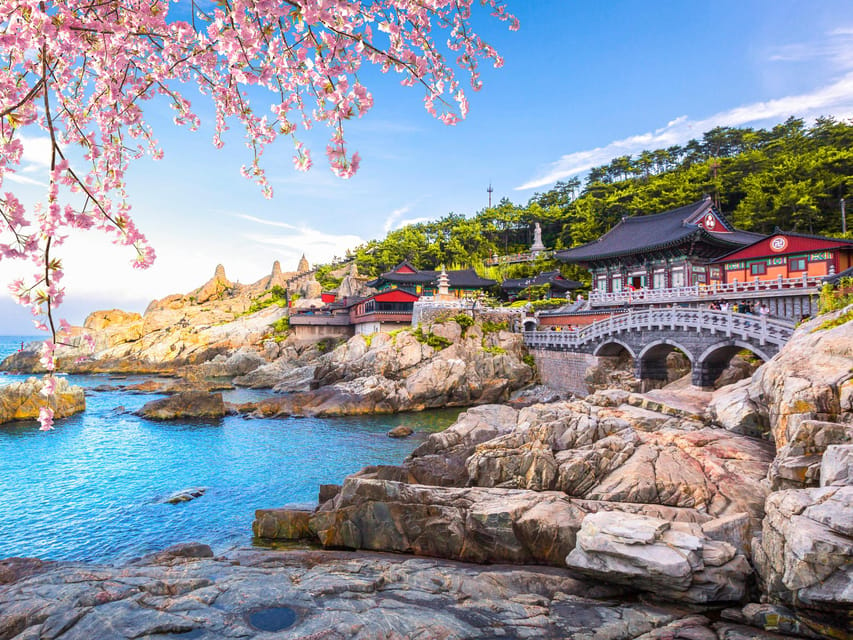
Explore the key attractions of Busan City with a certified guide, including Gamcheon Culture Village, UN Memorial Cemetery, Haedong Yonggungsa Temple, Cheongsapo, Blue line Park, and Jagalchi Market.
![[Hotel Pick-up] Gyeongju UNESCO Private Tour with Local Guide](https://media-cdn.tripadvisor.com/media/attractions-splice-spp-400x400/0b/f4/0b/8d.jpg)
[Hotel Pick-up] Gyeongju UNESCO Private Tour with Local Guide
Possible to pickup from Gyeongju & Drop at Busan Possible to pickup from Busan & Drop at Gyeongju Possible to pickup from Gyeongju & Drop at Gyeongju Possible to pickup from Busan & Drop at Bu

Korean Drinking Games Night (non-drinkers are also welcome)
Play Korean drinking games that only locals know! Experience Korean drinking culture in the hottest nightlife area! Try Korean signature drink Somaek and Soju Bomb!

Korean Cooking Class with Grocery Shopping at Seoul Local Market
Our class isn't just about learning how to cook, it's about experiencing authentic local life and discovering the true essence of Korea. Forget the tourist traps and what you've seen in guidebooks! J

Gyeongju UNESCO World Heritage Sites and History Full-Day Tour with Lunch
During this complete 8-hour small-group tour, your dedicated guide and driver will escort you through the historic city of Gyeongju, often referred to as "the museum without walls." The itinerary incl

Tailored Private Tour from Seoul
The unique distinction of the tours offered lies in our fully customized and private experiences. Each traveler can design a personalized journey tailored to their preferences and schedule, exploring
Explore Activities in South Korea
Didn't see anything interesting yet?
Browse Viator's full catalog of tours, day trips, food experiences, and private guides in South Korea.
See All South Korea Tours on Viator